Mar. 31, 2026
Whether you're running the Jeep's original factory rubber or massive off-road tires with thick sidewalls and deep, canyon-sized tread, all tires gradually expel air—typically around 1–3 psi per month, depending on the tire. Colder temperatures can further lower pressure by roughly 1 psi for every 10°F drop.
This is normal and doesn't indicate a problem or the need for replacement. It simply means you need to keep an eye on tire pressure. If you ignore it for too long, that yellow exclamation mark will eventually light up on your dashboard.
For 2008-and-newer Jeep Wranglers and Gladiators, this light is part of the Tire Pressure Monitoring System (TPMS), alerting you when at least one tire needs air. Of course, it can also illuminate for sudden issues, like a burst bead or a puncture from a piece of metal—but in those cases, your Jeep's handling will usually give you an immediate clue.
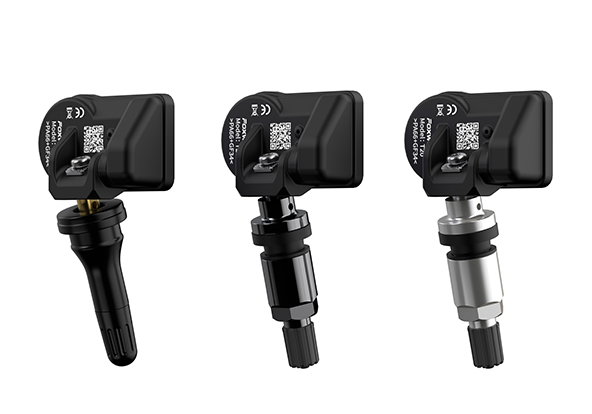
So, how does Jeep TPMS work, how do you reset it when triggered, and what should you know about the sensors if you plan to change wheels or tires?
A brief history first: TPMS has existed since the 1980s, but it became mandatory under the TREAD Act of 2000. The law requires all vehicles manufactured on or after September 1, 2007, to include a TPMS. That means every Jeep Wrangler from 2008 onward comes equipped with this system.
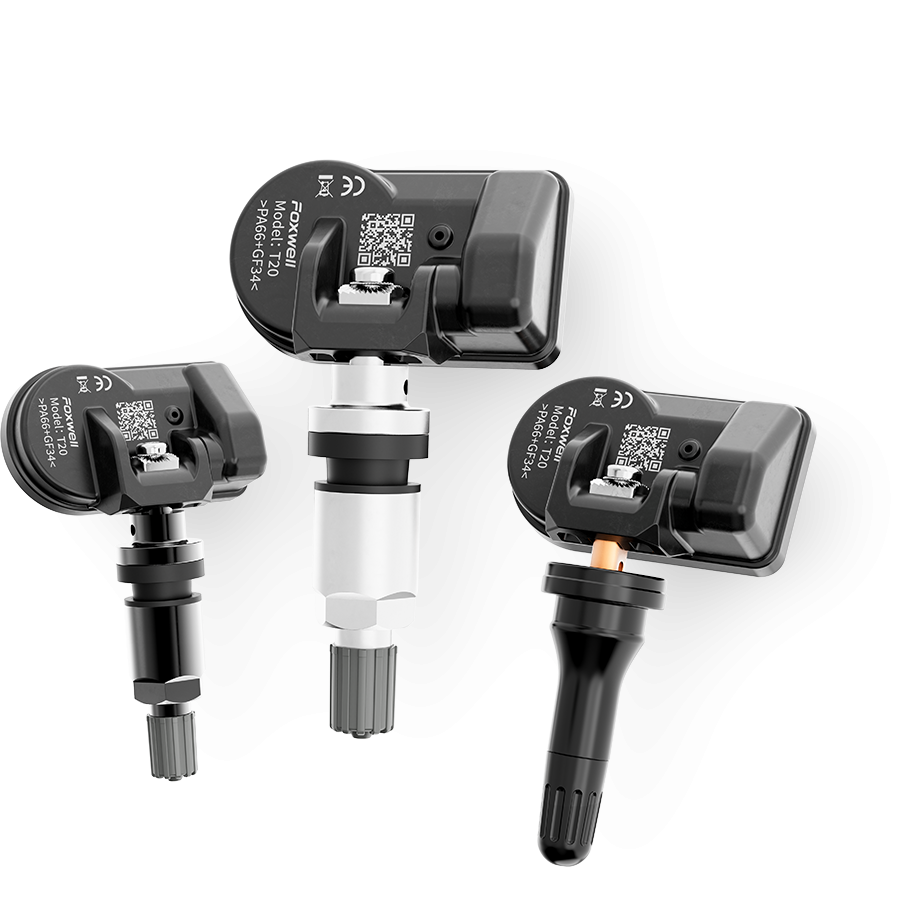
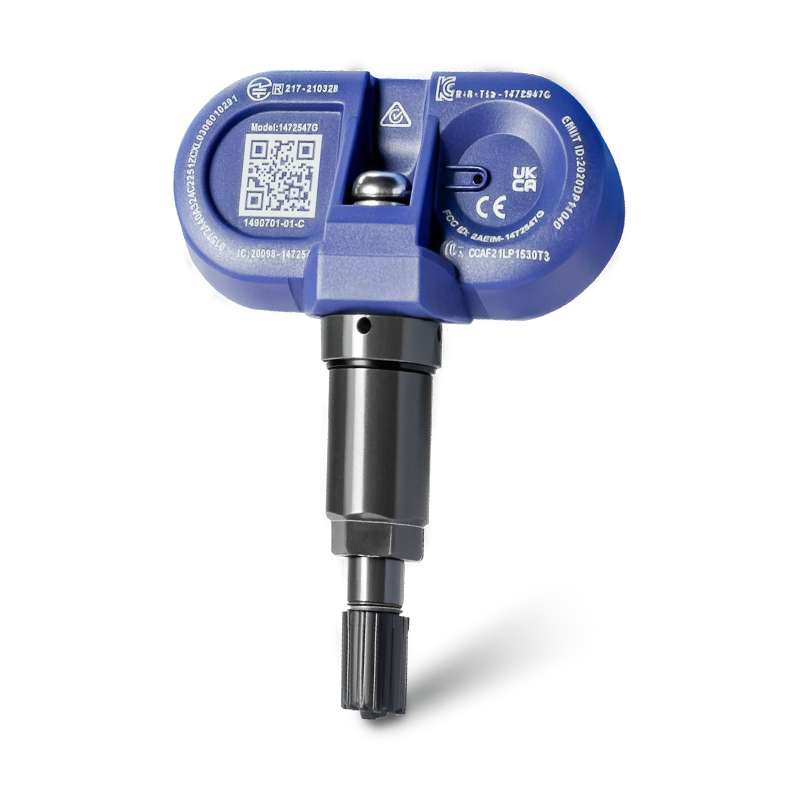
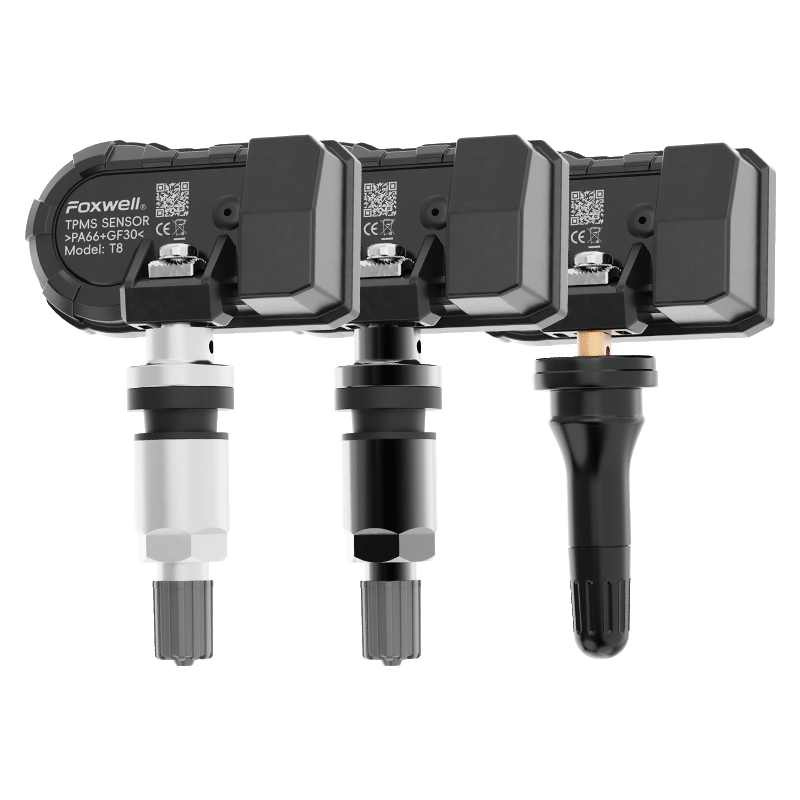
Jeep uses a direct TPMS system, meaning each wheel has its own sensor. If a tire's pressure drops below factory specifications, the corresponding sensor sends a radio signal directly to your Jeep's computer, triggering the yellow dash light to alert you of the low pressure.
When this TPMS warning appears, there's no need to get out and check each tire individually. Instead, use the steering wheel controls to navigate to the tire pressure screen on your dash. This will display the current pressure of all four tires. From there, you can refill the tires using a compressor, an air tank, or at the nearest gas station air pump.
If you're unsure of the correct tire pressure, check the specifications label inside the driver's door or consult your owner's manual. For most factory tires, Jeep recommends a cold pressure of 37 psi for JK models, and 35 psi for JL and JT models.
Once the tires are properly inflated, there's no TPMS reset button in your Wrangler. The system automatically recalibrates—simply drive at speeds above 15 mph for about 20 minutes, and the warning light should turn off.
Keeping your tires at the proper pressure is essential. Correct inflation ensures even tire wear, which extends tire lifespan. It also allows your Jeep to handle safely at speed, during braking, and while cornering, and can even improve fuel efficiency.
Over the life of your vehicle, you may need to reset or replace the TPMS if a sensor loses signal, becomes damaged, or its battery dies. In such cases, the TPMS light will typically flash for a minute before staying illuminated.
A lost sensor signal is not caused by smartphone or Bluetooth interference, as these operate on different frequencies. Signal loss can occur when something on the vehicle—like a brake caliper, control arm, or other large metal part—blocks the path between the sensor and the antenna. Tinted windows or accumulated dirt, snow, or ice can also interfere. Normally, because the sensors transmit every 15–30 seconds, the issue may resolve itself. If it doesn't, the sensor will need to be reset.
Assuming your Jeep's tires are at the correct inflation, the best way to "remind" the sensors that your tires are properly pressurized is to slightly overinflate them by 3–5 psi, then release about 3–5 psi below the correct pressure, and finally reinflate to the proper amount. After that, simply drive around, and the system should reset itself.
If this does not resolve the issue, the sensor(s) may need to be reprogrammed or replaced.
Off-roading, as well as installing different wheels and tires, can also affect the factory TPMS and usually requires some attention.
When going off-road, it's recommended to air down your tires for better performance. While this is the correct procedure, the lower pressure will typically trigger the TPMS warning light. In this situation, you can either ignore the warning until you air the tires back up, or manage the system using a custom tuner or programmer. These devices allow you to adjust the pressure warning threshold in your Jeep's computer to match whatever off-road tire pressure you are running.
Even if off-roading isn't part of your plans, many Jeep owners upgrade the factory wheels and tires. New wheels give the vehicle a more rugged look, while all-terrain or mud-terrain tires generally outperform factory street tires in almost every condition.
During this process, you will usually need to reprogram the factory TPMS sensors or purchase new ones, as they typically do not come with individual aftermarket wheels and tires. Some tire and wheel packages may include compatible TPMS sensors, but you should always confirm before ordering.

Copyright © Shenzhen Foxwell Technology Co., Ltd. All Rights Reserved 2009-2021 |
Sitemap
Powered by 

Links: Reanod