Feb. 26, 2026
Shopping for TPMS (Tire Pressure Monitoring System) sensors can quickly become overwhelming. From budget-friendly universal options to programmable mid-range sensors and premium OEM units, it’s not always clear which choice suits your vehicle—or your customer’s needs.
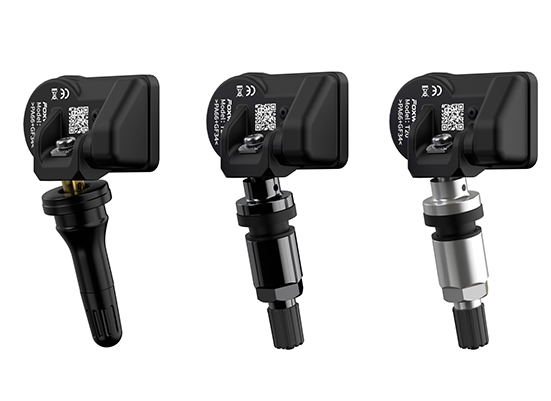
For cost-conscious replacements, universal off-brand TPMS sensors are often the starting point. These generic sensors are designed to fit a wide variety of vehicles and are commonly available on platforms like Amazon, eBay, or bulk auto parts suppliers.
While they can work for basic replacements, it’s important to understand the trade-offs.
Pros:
Extremely affordable
Easy to purchase online
Suitable for simple, everyday use
Cons:
May experience communication issues with certain vehicle makes and models
Battery quality can be inconsistent, sometimes arriving weak or dead
Build quality is lower, leading to unpredictable longevity
When to choose this option:
You need the most cost-effective replacement for a vehicle that isn’t sensitive to minor sensor inconsistencies
You’re willing to accept potential trade-offs in reliability
Real-world example:
Off-brand universal TPMS sensors are often marketed as “fits most vehicles.” Always double-check the specific vehicle compatibility and customer reviews before purchasing to avoid installation headaches.
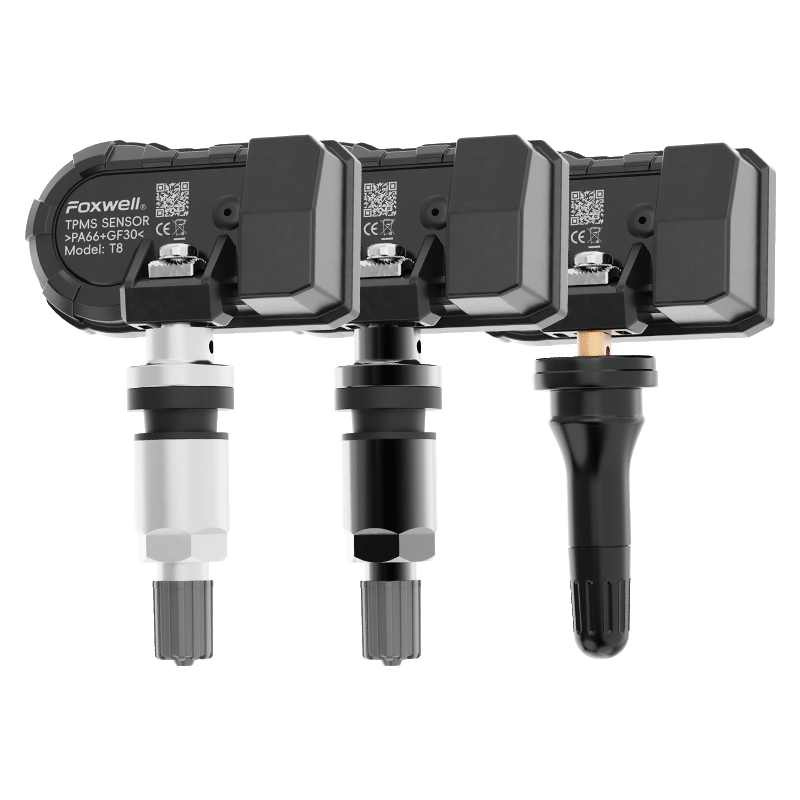
For repair shops and DIYers who want a balance between quality and cost, programmable TPMS sensors from trusted brands like Foxwell, Autel, and XTool offer reliable performance across a wide range of vehicles, with far fewer compatibility issues than generic universal sensors.
These sensors are ideal for garages that need consistent results without paying full OEM prices.
Pros:
· Broad vehicle compatibility, reducing installation errors
· Durable materials and robust build quality
· Manufacturer support, guides, and documentation
· Often compatible with OEM TPMS relearn procedures
· High-quality internal batteries for longer sensor life and fewer replacements
Cons:
· Higher cost than off-brand universal sensors
· Requires a TPMS programming or reset tool for setup
When to choose this option:
· You want reliable, long-lasting sensors that work across multiple vehicle models
· Your shop performs frequent tire replacements or services and values consistent results
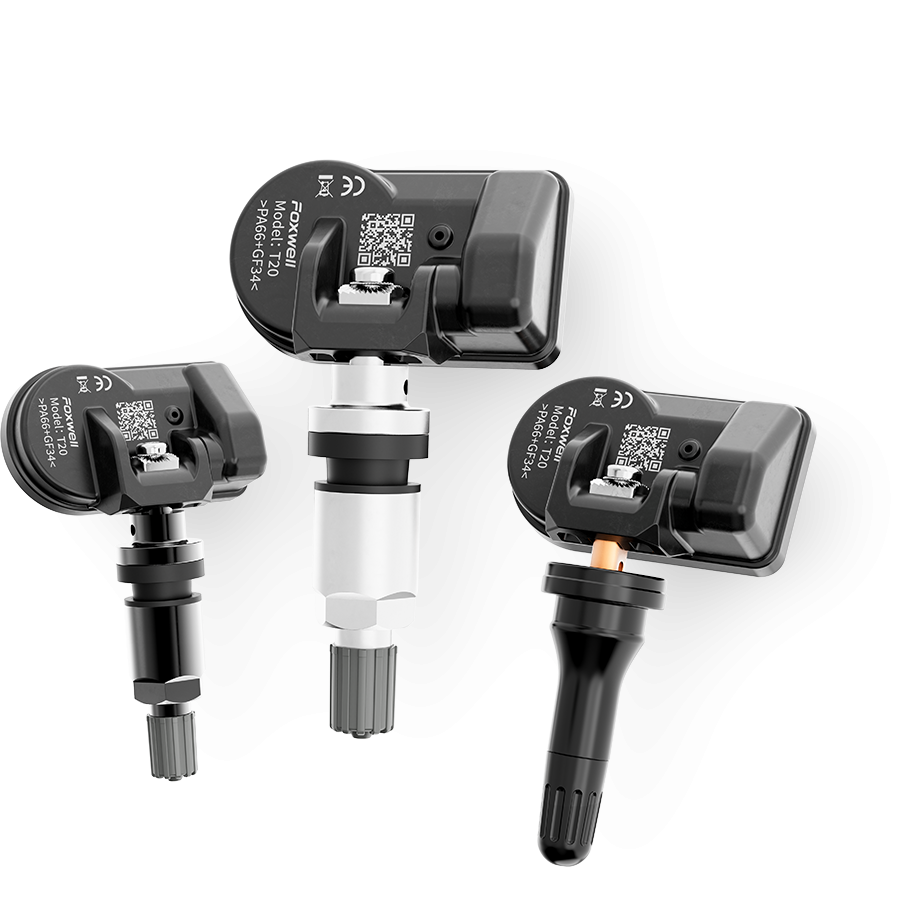
Example from Our Testing: Foxwell T2000WF + T20 Sensors
In our shop tests, the Foxwell T2000WF paired with T20 sensors performed exceptionally well, offering performance comparable to Autel’s MX sensors—often at a more competitive price point. When used with the Foxwell T2000F TPMS tool, programming is fast, simple, and reliable.
When this tier makes sense:
· You need dependable sensors with broad vehicle coverage
· You want products backed by a reputable company that provides support and stands behind its tools
· Your shop values efficiency and consistent results during tire service or sensor replacement
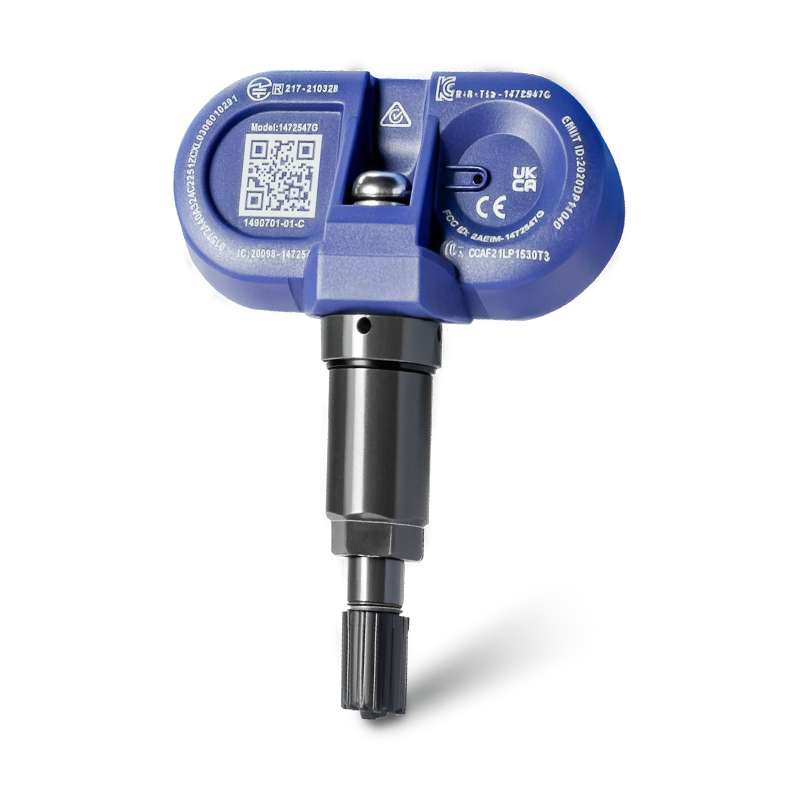
For the highest accuracy and smoothest communication with a vehicle’s onboard systems, OEM or OEM-equivalent TPMS sensors are the top choice. Vehicles that are sensitive to TPMS specifications—particularly newer models and many luxury brands—perform best when equipped with sensors that closely match OEM parameters.
Pros:
· Precise fit and reliable communication with the vehicle’s ECU
· Faster and simpler TPMS relearn procedures
· High reliability and long service life
· Preferred by shops that require near-OEM performance
Cons:
· Higher cost than universal or mid-range sensors
· OEM sensors for some makes may have limited availability
Here’s a snapshot to help you decide quickly:
| Tier | Price | Reliability | Compatibility | Best For |
|---|---|---|---|---|
| Good | Low | Low–Medium | Unpredictable | Budget fixes, low-sensitivity cars |
| Better | Mid | High | Broad | Daily shop use, modern vehicles |
| Best (OEM-Equivalent) | Highest | Very High | Excellent across many makes | Professional shops, sensitive OEM systems, luxury brands |
If you operate a repair, glass, or calibration shop, selecting the right TPMS sensor goes beyond just price. Key factors to consider include:
· Customer base – Are you primarily serving economy vehicles or premium models?
· Comeback rate tolerance – Lower-tier sensors may lead to more repeat visits.
· Access to programming tools – Some sensors require specialized TPMS tools for setup.
· Shop workflow and efficiency – Choose sensors that integrate smoothly into your service process.
· Availability during peak seasons – Ensure reliable supply when demand is high.
Investing in high-quality TPMS sensors can reduce repeat visits, save technician time, and strengthen customer trust in your services.
· Cost-conscious choice: If budget is the main factor, universal sensors can work for simple applications.
· Balanced performance: For consistent results without paying full OEM prices, mid-range programmable sensors, such as Foxwell, provide excellent value.
· Top-tier accuracy: For the highest precision, predictable TPMS relearn, and broad compatibility with modern vehicles, Foxwell OEM-equivalent sensors are our top recommendation.
If you’re unsure which TPMS sensor best suits your vehicle or shop workflow, our team is always ready to provide guidance.
We help shops select the right sensors every day. Whether you’re looking for premium OEM-level performance or a reliable mid-range solution, we can recommend the best option based on your vehicle type, budget, or fleet needs.

Copyright © Shenzhen Foxwell Technology Co., Ltd. All Rights Reserved 2009-2021 |
Sitemap
Powered by 

Links: Reanod