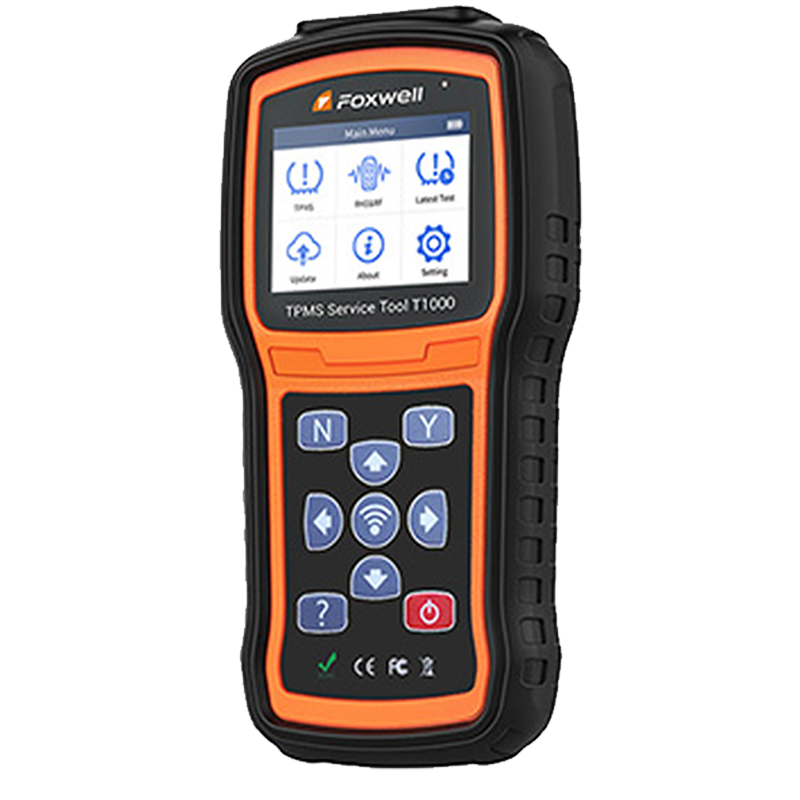
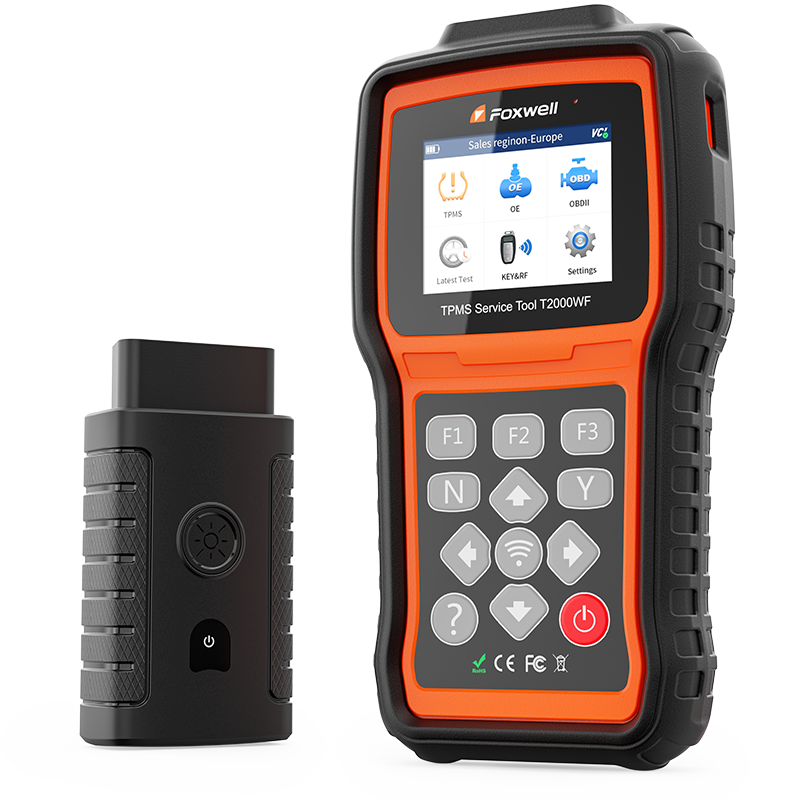
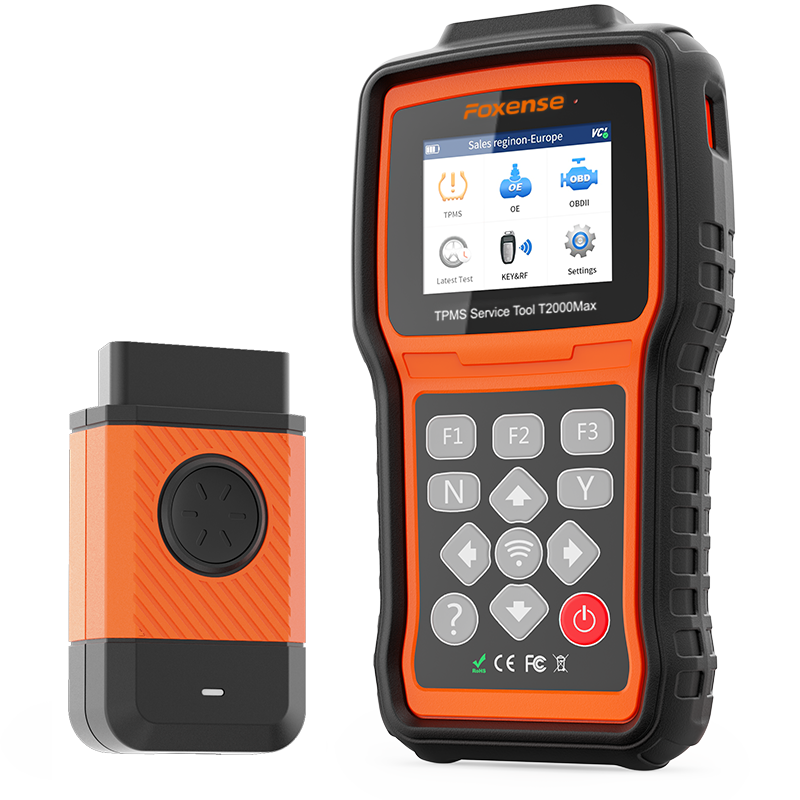
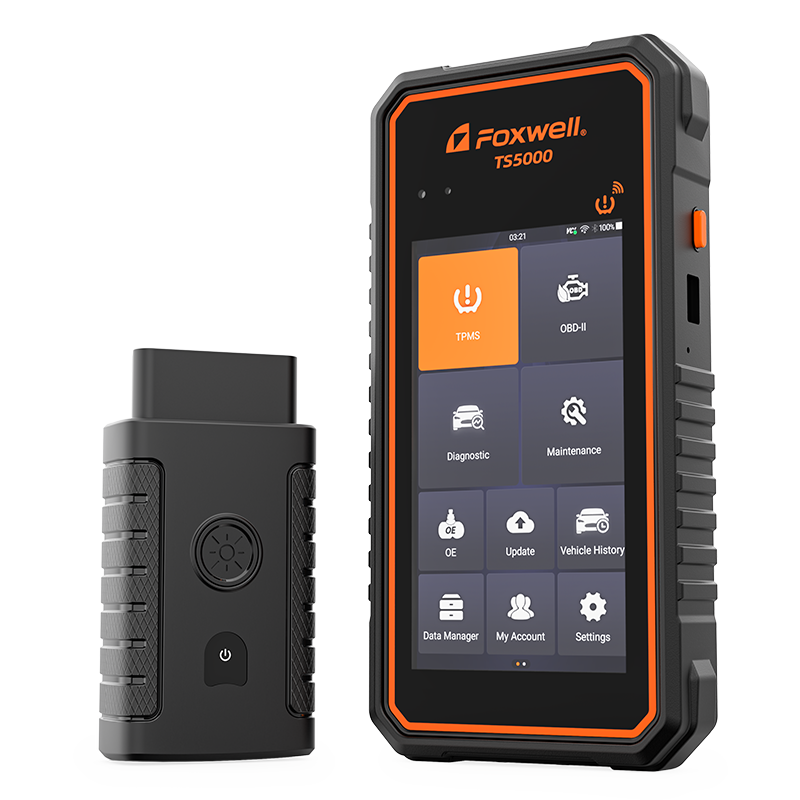
Our TPMS Sensor Tools ensure accurate tire pressure monitoring and seamless integration with vehicle systems. As a top supplier, we focus on providing high-quality tools designed to meet industry standards. These tools help improve vehicle safety, reduce tire wear, and enhance fuel efficiency. Get fast delivery and reliable products for both professional automotive use and DIY enthusiasts.
China is the dominant hub for global TPMS manufacturing, with Guangdong Province at the center of production. Cities like Shenzhen and Guangzhou host concentrated industrial clusters specializing in automotive electronics and sensor technology. These regions provide mature supply chains for components such as sensors, batteries, and valve stems, supporting efficient large-scale manufacturing.
Key advantages of sourcing from Guangdong include:
· Competitive pricing due to economies of scale.
· Established export logistics networks for international shipping.
· Technical expertise accumulated over decades of automotive manufacturing.
· Reliable access to raw materials via supplier networks.
· Reduced lead times and faster prototyping thanks to close proximity of component factories to assembly plants.
· Look for ISO/TS 16949 certification to ensure compliance with automotive quality management systems.
· Evaluate production capacity: factories with 50+ staff and 3,000+ m² facilities typically handle high-volume orders reliably.
· Review performance metrics: target >95% on-time delivery rates and ≤4-hour average response time for inquiries.
· Request sample units for independent testing against standards like FMVSS 138 or ECE-R64.
· Verify IP67 or higher waterproof ratings through lab reports.
· Conduct factory audits (virtual or on-site) to inspect production lines, quality checkpoints, and material traceability.
· Check customer reviews for product longevity and defect rates—look for consistent ratings above 4.5/5.0.
· Ensure products meet regulations in your target market (e.g., FCC/CE for North America/Europe, GSO for the Middle East).
· Verify compatibility protocols (Schrader, OES, or programmable systems) match your vehicle requirements.
· Confirm test reports validating operating temperature ranges (-40°C to 125°C) and battery lifespan (5–10 years).

Foxwell Technology Co., Ltd. delivers consistent on-time performance, crucial for maintaining tight production schedules. The company boasts an automated production line with over 2,000 m² of manufacturing space, ensuring high-volume output and stable delivery. Foxwell invests heavily in R&D, dedicating over 20% of annual revenue to technology development, which supports long-term innovation and competitiveness.
Internationally, Foxwell maintains a strong presence in over 90 countries and regions, reflecting broad market reach and brand recognition. Their client retention is high, supported by comprehensive technical support and after-sales service.
For market scalability, Foxwell combines substantial production capacity with strategic investments in technology and global distribution, positioning the company as a leading TPMS sensor manufacturer with a robust reputation for reliability and efficiency.
Q1: What are the best TPMS sensor brands?
A: Leading brands include Foxwell, BH/Huf, Autel, Pacific, Hamaton, Continental, CUB. They are widely recognized for reliability, accurate readings, and compatibility across various vehicle models. These companies invest heavily in R&D to ensure battery longevity and signal precision.
Q2: Are aftermarket TPMS sensors as good as OEM?
A: Quality varies among aftermarket suppliers. Reputable manufacturers produce sensors that meet or exceed OEM specifications for durability and performance. However, uncertified alternatives may have shorter lifespans or reduced calibration accuracy. Always check for proper certifications before purchase.
Q3: Who manufactures Toyota TPMS sensors?
A: TRW Automotive and Pacific Industrial Corp. are the main OEM producers for Toyota TPMS systems. Additionally, several Chinese manufacturers supply compatible aftermarket sensors that adhere to Toyota’s frequency protocols.
Q4: How do I verify TPMS manufacturers?
A: Request ISO/TS 16949 certification, review third-party test reports for environmental durability, and test sample units for performance validation. Factory audits—either on-site or virtual—help inspect production lines, quality control measures, and material traceability systems.
Q5: Can I visit the TPMS manufacturer’s factory?
A: Most established suppliers welcome serious buyers for factory visits. Virtual audits using live video streaming are also a common and effective way to verify production capabilities and quality control processes remotely.
Contact Us
TPMS Products
TPMS scan tool for techniciansAudi A3 Reset TPMS2008 Honda Accord Tire Pressure SensorTPMS Sensor Kit supplierProgrammable Sensors OEMcar diagnostic TPMS tool manufacturerProgrammable Sensors supplier2012 Honda Odyssey TPMS ReseUniversal Tire Pressure MonitorTPMS vehicle compatibility lookup toolTPMS Sensor Tool for saleTrailer Tire Monitor SystemTPMS tool manufacturer for distributorsCommercial Vehicle TPM MarketTPMS service equipment automotive aftermarketuniversal TPMS sensor for carsTPMS compatibility vehicle search systemTPMS Relearn Tool factoryuniversal replacement TPMS sensor deviceTire Pressure Light Cold WeatherGMC Sierra Tire Pressure Sensor ResetTPMS Relearn Tool manufacturerTPMS Audi ResetTPMS Relearn Tool wholesaleTPMS vehicle compatibility coverage listTire Pressure Monitoring System Light FlashingTPMS Kia OptimaFord TPMS SensorTPMS sensor tool automotive workshopUniversal Programmable TPMS Sensor wholesaleTPMS Sensor Kit distributortire pressure monitoring sensor manufacturerProgrammable Sensors manufacturerVT31 TPMS ToolIndividual Trailer TPMSTPMS Programming Tool supplierTruck Tire Monitoring SystemTPMS diagnostic programming scan toolAftermarket SensorsTPMS programming tool wholesale manufacturerTPMS coverage global automotive vehiclesautomotive TPMS coverage vehicle guideTPMS service kits for tire shopsAudi MMI Tire Pressure ResetValve Stem Pressure Sensors
Copyright © Shenzhen Foxwell Technology Co., Ltd. All Rights Reserved 2009-2021 |
Sitemap
Powered by 

Links: Reanod