Jun. 30, 2026
Tire Pressure Monitoring Systems (TPMS) have become an essential safety feature for modern vehicles, ensuring that drivers are alerted to underinflated tires before they become a hazard. However, when it comes to choosing the right TPMS sensors, many car owners and service shops face a key decision: Bluetooth (wireless) sensors or wired sensors. Each type has distinct advantages, potential drawbacks, and use cases, making it important to understand which system fits your needs best.
Before comparing the two, it’s essential to clarify the fundamental differences between Bluetooth and wired TPMS sensors.
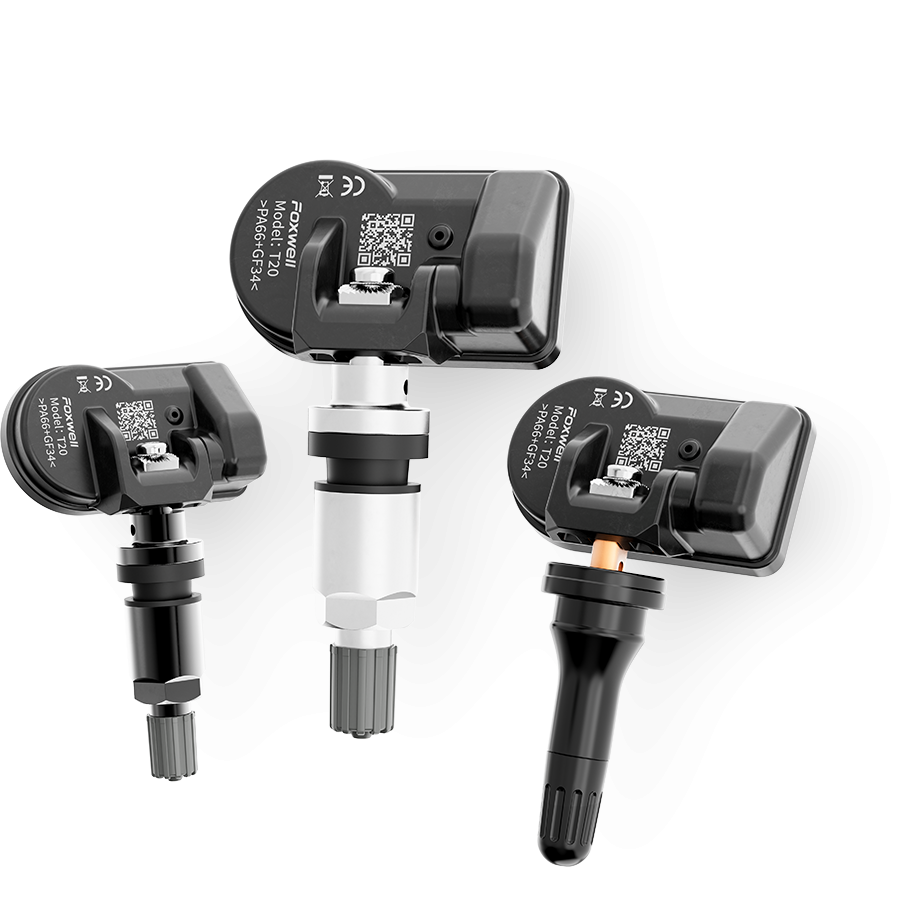
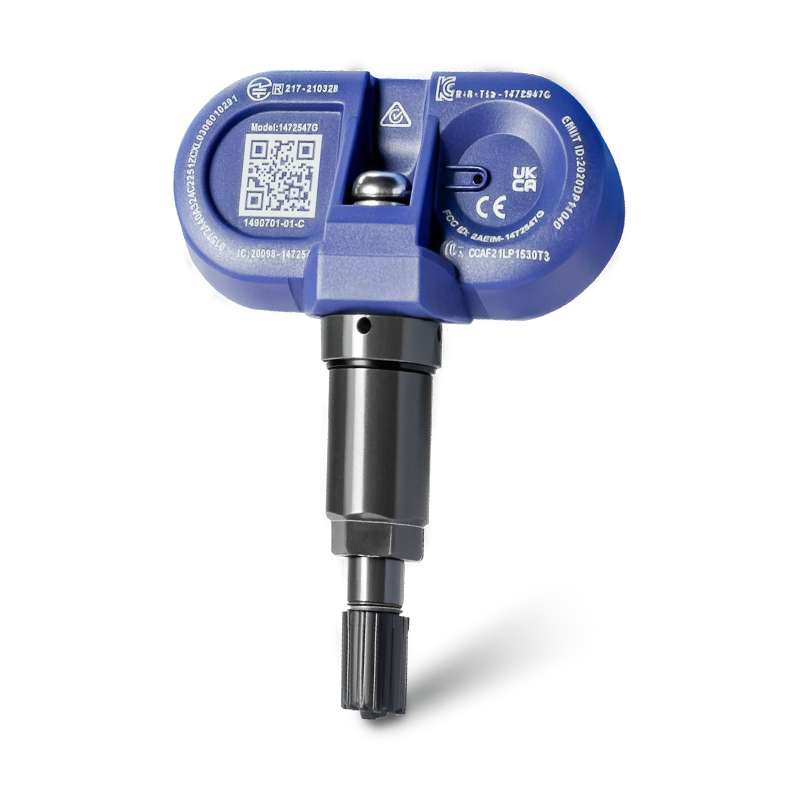
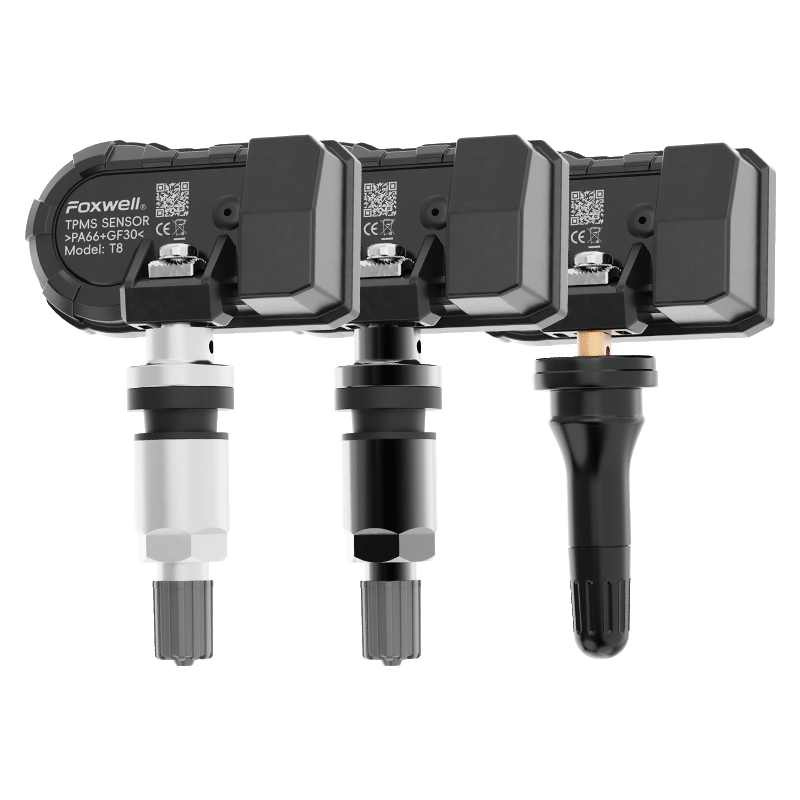
· Bluetooth TPMS Sensors: These are wireless sensors installed inside the tire or on the valve stem. They transmit tire pressure data to a smartphone app, a dashboard display, or a vehicle’s built-in receiver via Bluetooth.
· Wired TPMS Sensors: These sensors use physical wiring to connect the sensor to the vehicle’s onboard monitoring system. Wired sensors typically provide a direct and continuous feed of pressure and temperature data.
Both systems aim to alert the driver when tire pressure deviates from safe levels, but the method of data transmission and installation process differs significantly.
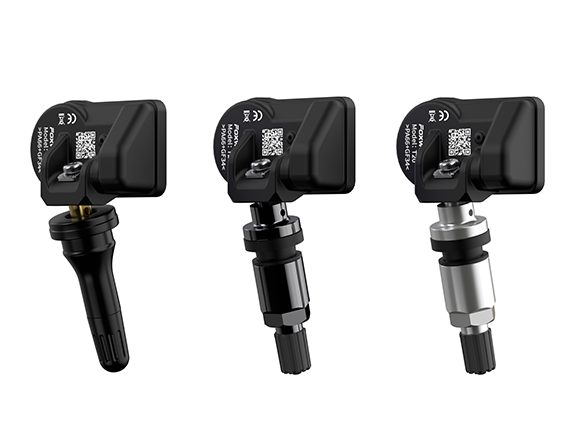
Bluetooth TPMS sensors are widely used in consumer applications and some light professional settings. Here’s why they are popular:
1. Easy Installation: Many Bluetooth sensors are plug-and-play and require minimal technical knowledge. DIYers can often install these sensors without specialized tools.
2. Mobile Integration: With smartphone apps, drivers can receive real-time alerts, track historical tire pressure data, and even get predictive maintenance recommendations.
3. Versatility: They can be used across multiple vehicles, which is ideal for fleet owners or customers who rotate tires between cars.
4. Cost-Effective: Bluetooth sensors generally cost less than wired systems and require fewer installation resources.
1. Battery Dependence: These sensors rely on internal batteries, which eventually require replacement. Battery failure can result in missed alerts.
2. Signal Interference: Bluetooth signals can be affected by other electronic devices, potentially causing delayed or inaccurate readings.
3. Limited Professional Features: While ideal for consumer use, Bluetooth sensors may lack advanced diagnostic features that professional service scanners provide.
4. Potential for Theft: Because they are removable, there is a higher risk of sensor theft, especially for high-value vehicles.
Wired TPMS sensors are more commonly found in professional automotive applications and OEM installations. Here are their key characteristics:
1. Reliable Data Transmission: Wired connections provide a consistent and accurate flow of information to the vehicle’s monitoring system, reducing the risk of missed alerts.
2. Durability: Wired sensors are less prone to interference or damage from external factors like extreme weather or road conditions.
3. Long-Term Maintenance: Many wired sensors do not require battery replacement, making them ideal for long-term commercial use.
4. Advanced Diagnostics: Professionals benefit from more precise pressure and temperature data, often integrated with diagnostic tools for repair and maintenance decisions.
1. Complex Installation: Installation often requires technical expertise, professional tools, and sometimes vehicle disassembly. This makes them less practical for DIYers.
2. Higher Initial Cost: The sensors and installation labor are typically more expensive than Bluetooth alternatives.
3. Limited Mobility: Once installed, wired sensors are vehicle-specific and cannot be easily transferred between cars.
4. Maintenance Complexity: Faulty wiring or connection issues can be harder to diagnose and repair compared to replacing a simple Bluetooth sensor.
When deciding which TPMS solution is right for you, several factors come into play:
1. User Type: DIY enthusiasts, casual drivers, or small fleet owners often prefer Bluetooth sensors due to their ease of use. Professional mechanics and automotive shops may favor wired sensors for their reliability and integration with advanced diagnostic tools.
2. Vehicle Type: Passenger vehicles and light trucks are compatible with both types. Heavy-duty commercial vehicles often require wired sensors for robust monitoring.
3. Budget: Bluetooth TPMS is cost-effective upfront, while wired sensors may require higher initial investment but offer long-term durability.
4. Data Needs: If you need historical tracking, mobile notifications, and easy monitoring, Bluetooth systems excel. If you require precise, continuous monitoring for maintenance and repair, wired sensors are superior.
5. Maintenance Preferences: Consider whether you want a system that requires occasional battery replacement (Bluetooth) or one that is low-maintenance but may need professional attention in case of faults (wired).
Some modern TPMS solutions combine wireless connectivity with professional-grade sensors. These hybrid systems leverage Bluetooth technology while maintaining high accuracy and reliability, appealing to both tech-savvy DIYers and professional shops.
In the end, the choice between Bluetooth and wired TPMS sensors depends on your priorities:
· Choose Bluetooth TPMS sensors if: you value convenience, mobile integration, easy DIY installation, and cost-effectiveness. They are ideal for personal vehicles, small fleets, and users who prefer monitoring via smartphones or tablets.
· Choose Wired TPMS sensors if: you prioritize long-term reliability, precise and continuous monitoring, advanced diagnostics, and are willing to invest in professional installation. They are best suited for commercial vehicles, high-performance cars, or scenarios where accuracy and robustness are critical.
By understanding the advantages and limitations of both systems, vehicle owners and professionals can make informed decisions that enhance tire safety, improve vehicle performance, and reduce the risk of accidents due to underinflated tires.
Ultimately, the right TPMS sensor ensures that your tires are properly monitored at all times, giving you peace of mind whether you’re a DIYer or a professional mechanic.

Copyright © Shenzhen Foxwell Technology Co., Ltd. All Rights Reserved 2009-2021 |
Sitemap
Powered by 

Links: Reanod