Jun. 11, 2026
Tire Pressure Monitoring Systems, commonly known as TPMS, have become an essential part of modern vehicle safety. When a tire loses pressure, the TPMS warning light alerts the driver before the problem becomes more serious. For vehicle owners, tire shops, repair garages, and automotive service centers, TPMS maintenance is no longer optional. Whether replacing tires, rotating wheels, installing new sensors, or diagnosing warning lights, the right TPMS tool can make the process faster, more accurate, and more reliable.
However, not every TPMS tool is designed for the same user. A basic tool for a DIY driver is very different from a professional TPMS service scanner used in a tire shop or repair workshop. Choosing the wrong tool can lead to wasted time, incomplete relearn procedures, poor vehicle coverage, or limited sensor compatibility. This guide compares consumer-level TPMS tools with professional service scanners, explains their benefits, and helps you decide which type of tool fits your real working needs.
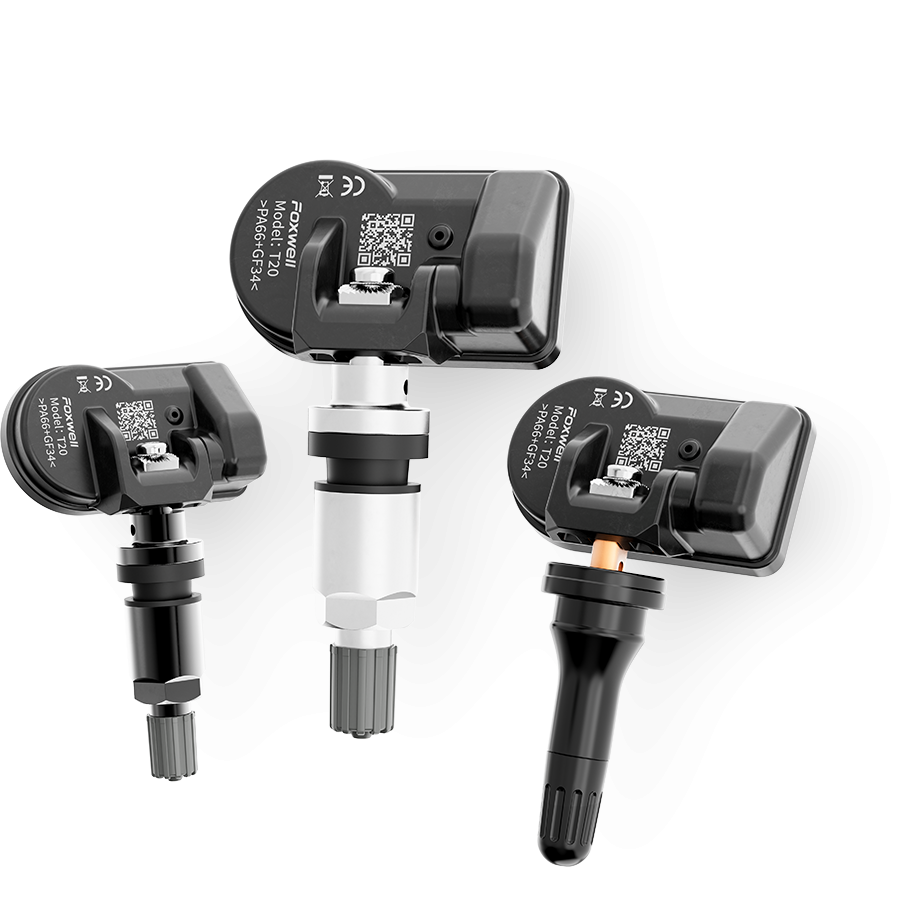
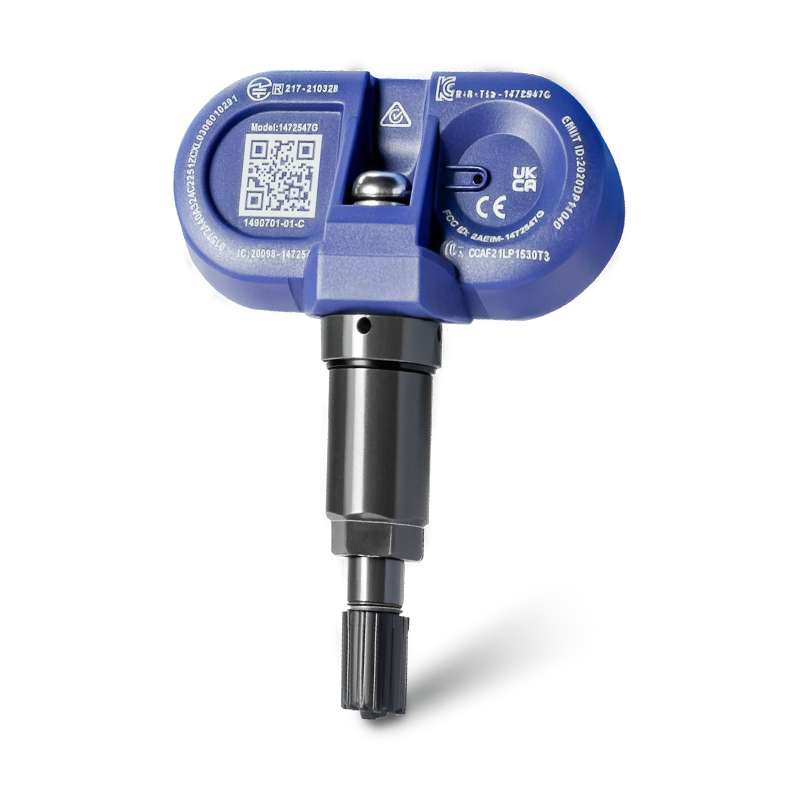
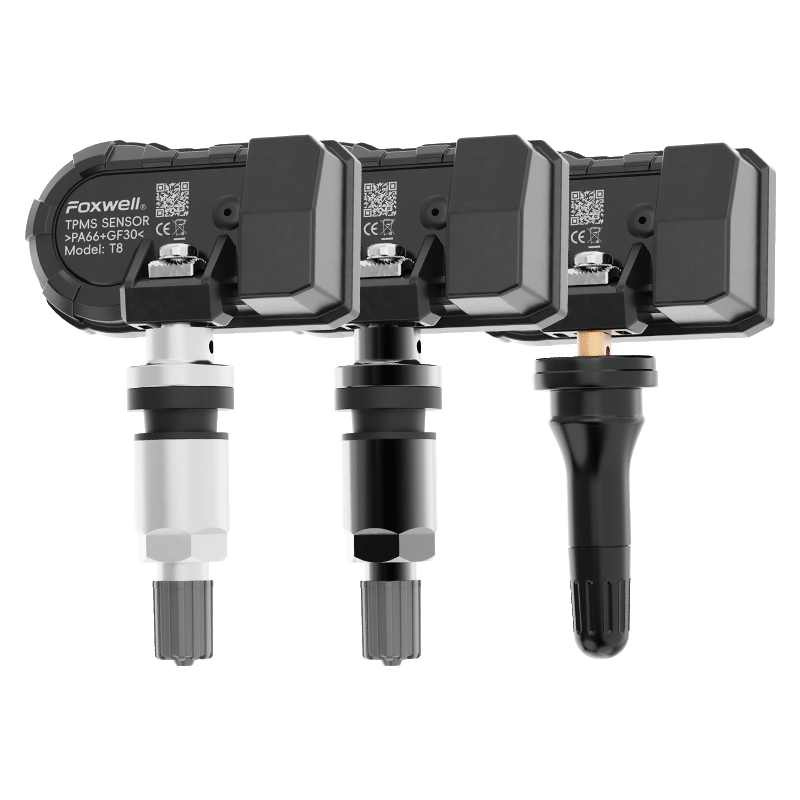
A TPMS tool is used to communicate with tire pressure sensors installed inside or near the vehicle’s wheels. Depending on the tool level, it may activate sensors, read sensor data, reset the TPMS warning light, perform relearn procedures, program replacement sensors, or write sensor IDs to the vehicle’s ECU through OBD communication.
Common TPMS tool functions include reading tire pressure, temperature, sensor ID, battery status, and sensor frequency. More advanced tools can also diagnose TPMS system faults, program universal TPMS sensors, clone existing sensor IDs, and guide users through vehicle-specific relearn steps.
For many drivers, a TPMS issue appears as a simple dashboard warning light. But for technicians, that light can mean several different things: a low tire, a dead sensor battery, a damaged sensor, a sensor ID mismatch, a failed relearn, or a communication problem between the sensor and the vehicle control module. This is why choosing the correct TPMS tool matters.
Consumer-level TPMS tools are designed for vehicle owners, DIYers, and occasional users who want a simple way to handle basic TPMS tasks at home. These tools are usually compact, affordable, and easy to operate. Many are made for specific vehicle brands or basic reset and relearn functions.
For example, a DIY user may need a TPMS tool after rotating tires, replacing wheels, changing winter and summer tire sets, or resetting the TPMS light after adjusting tire pressure. In these cases, a basic TPMS activation or relearn tool may be enough.
The biggest advantage of consumer-level tools is simplicity. They usually have fewer menus, fewer settings, and a lower learning curve. A car owner does not need advanced diagnostic training to use them. For someone who maintains only one or two vehicles, a basic tool can save trips to the repair shop and reduce small service costs over time.
Another benefit is price. Consumer TPMS tools are generally much more affordable than professional service scanners. They are a practical choice for drivers who only need occasional TPMS relearn or reset support and do not plan to program sensors for multiple vehicle makes.
However, basic tools also have clear limitations. Many consumer-level tools cannot program universal sensors. Some only support certain vehicle brands, frequencies, or relearn procedures. Others may activate sensors but cannot perform OBD relearn or write sensor IDs to the ECU. If the vehicle requires a more advanced relearn process, a basic DIY tool may not complete the job.
A consumer-level TPMS tool is suitable if you only service your own vehicle, perform seasonal tire changes, rotate tires at home, or want to reset the TPMS light after basic maintenance. It is also useful for car enthusiasts who want to check whether a sensor is still transmitting data before visiting a repair shop.
DIY tools are best for simple use cases such as activating sensors, checking sensor ID and battery status, confirming tire pressure readings, and following basic relearn procedures. They are not ideal for users who need to replace and program sensors regularly or work on many different vehicle models.
Before buying a DIY TPMS tool, check three important points: whether it supports your vehicle make and model, whether it supports your sensor frequency, and whether your vehicle requires OBD relearn. If the tool does not match the vehicle’s relearn method, it may not solve the TPMS warning light issue.
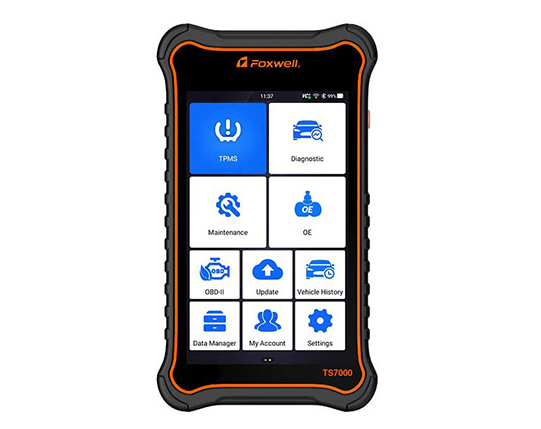
Professional TPMS service scanners are designed for daily use in automotive repair environments. These tools are commonly used by tire shops, auto repair garages, fleet maintenance teams, used car dealers, and automotive service chains. Compared with consumer-level tools, professional scanners offer broader vehicle coverage, deeper diagnostic functions, and stronger sensor programming capabilities.
A professional TPMS scanner can usually activate OE sensors, read sensor data, diagnose TPMS faults, perform stationary and OBD relearn procedures, program aftermarket or universal TPMS sensors, and copy or create sensor IDs. Some tools also generate service reports, connect through Wi-Fi for software updates, and integrate with diagnostic scan tools for wider vehicle service.
For professional users, speed and accuracy are critical. A tire shop may service many vehicles in one day, including different brands, model years, and sensor types. A limited DIY tool would slow down the workflow. A professional scanner helps technicians quickly identify failed sensors, program replacements, relearn sensor positions, and complete service without unnecessary trial and error.
Another major advantage is sensor inventory management. Instead of stocking many OE sensor part numbers, shops can use programmable universal TPMS sensors and program them with a compatible professional TPMS tool. This helps reduce inventory complexity and improves service flexibility.
The first major difference is vehicle coverage. DIY tools may support only selected brands or limited procedures, while professional scanners are built to cover a wide range of domestic, European, and Asian vehicles. For a repair business, broad coverage is essential because customers bring different vehicles every day.
The second difference is programming capability. Many basic tools can activate or relearn sensors, but they cannot program blank universal sensors. Professional tools are much more suitable for sensor replacement because they can program new sensors, clone existing IDs, or create new IDs depending on the service situation.
The third difference is diagnostic depth. A DIY tool may show basic sensor information, while a professional scanner can provide more complete diagnostic data. This can include sensor battery condition, signal status, fault codes, ECU communication, and guided relearn steps.
The fourth difference is workflow efficiency. Professional tools often include larger screens, guided menus, faster sensor activation, OBD connection, service records, and update support. These features may not matter to a single vehicle owner, but they are very important in a busy tire shop.
The fifth difference is long-term value. A DIY tool is cheaper upfront, but it may become useless if the user changes vehicles or needs advanced functions. A professional scanner costs more, but it can support many services, many vehicles, and many customers, making it a better investment for businesses.
| Category | DIY TPMS Tools | Professional TPMS Service Scanners |
|---|---|---|
| Main User | Car owners, DIYers, hobbyists | Tire shops, repair garages, fleets, service centers |
| Main Purpose | Basic reset, activation, relearn | Full TPMS diagnosis, programming, relearn, ECU reset |
| Vehicle Coverage | Limited or brand-specific | Broad multi-brand coverage |
| Sensor Programming | Usually limited or unavailable | Supports programmable/universal sensors |
| OBD Relearn | Not always supported | Commonly supported |
| Diagnostic Depth | Basic sensor data | Full sensor and system diagnosis |
| Update Support | Limited | Regular software updates are common |
| Cost | Lower | Higher |
| Best Use Case | Occasional personal vehicle maintenance | Daily TPMS service and sensor replacement |
| Business Value | Low | High |
Consumer-level TPMS tools are valuable because they give drivers more control over basic tire maintenance. They help users understand whether the TPMS warning light is caused by a pressure issue or a sensor issue. They can also save time when rotating tires or switching seasonal wheel sets.
For DIYers, the best tool is not always the most advanced tool. A simple, reliable, vehicle-compatible TPMS tool is often enough. The goal is convenience, not professional-level productivity. If the tool can activate sensors, display basic sensor information, and complete the correct relearn process for the user’s vehicle, it can be a smart purchase.
Professional TPMS scanners provide stronger value for businesses because they support more service opportunities. A shop with the right TPMS scanner can diagnose TPMS problems, replace failed sensors, program universal sensors, perform relearns, and deliver a complete service instead of sending the customer elsewhere.
For tire shops, this can directly improve service revenue. Every tire replacement, wheel change, or sensor failure can become an opportunity to provide TPMS service. For repair garages, a professional scanner reduces guesswork and helps technicians complete jobs faster. For distributors and service tool suppliers, professional TPMS scanners are also easier to position as high-value workshop equipment.
The best TPMS tool depends on how often you use it and what type of work you need to complete. If you are a DIY driver maintaining one vehicle, choose a simple tool that supports your vehicle model, sensor frequency, and relearn procedure. Do not overpay for advanced programming features if you will never replace or program sensors.
If you are a professional technician, tire shop, or service center, choose a TPMS scanner with wide vehicle coverage, sensor programming capability, OBD relearn support, frequent software updates, and compatibility with common OE and aftermarket sensors. Also consider workflow features such as guided procedures, report generation, Wi-Fi updates, and batch sensor programming.
If you manage a fleet, choose a tool that can handle multiple vehicle models and provide reliable sensor diagnosis. Fleet maintenance teams need consistency, speed, and accurate fault detection to reduce downtime.
TPMS tools for DIYers and professionals serve the same general system, but they are built for very different expectations. A consumer-level TPMS tool is best for simple, occasional maintenance. It is affordable, easy to use, and practical for personal vehicle owners. A professional TPMS service scanner is designed for complete TPMS service, including diagnosis, sensor programming, relearn procedures, and ECU communication.
The right choice comes down to use case. For a driver, the best TPMS tool is one that solves basic warning light and relearn problems without complexity. For a tire shop or repair business, the best TPMS scanner is one that improves service speed, expands vehicle coverage, supports programmable sensors, and creates long-term value.
As TPMS systems continue to appear across more vehicle models, the demand for reliable TPMS service tools will continue to grow. Whether you are a DIYer, technician, distributor, or workshop owner, choosing the right TPMS tool helps ensure safer driving, faster service, and more efficient tire pressure monitoring maintenance.

Copyright © Shenzhen Foxwell Technology Co., Ltd. All Rights Reserved 2009-2021 |
Sitemap
Powered by 

Links: Reanod