May. 20, 2026
The correct tire pressure for a Kia Sedona is not a fixed universal number for every situation. It depends on the manufacturer’s specifications, vehicle load, and tire size. However, the most reliable reference point is always the tire and loading information label located on the vehicle, along with the owner’s manual.
For most driving conditions, the typical passenger vehicle range is around the low-to-mid 30 PSI level, with higher values used when the vehicle is fully loaded. Still, the exact recommended pressure for a Kia Sedona must always be confirmed from the factory label, as it is engineered specifically for safety, comfort, and performance balance.
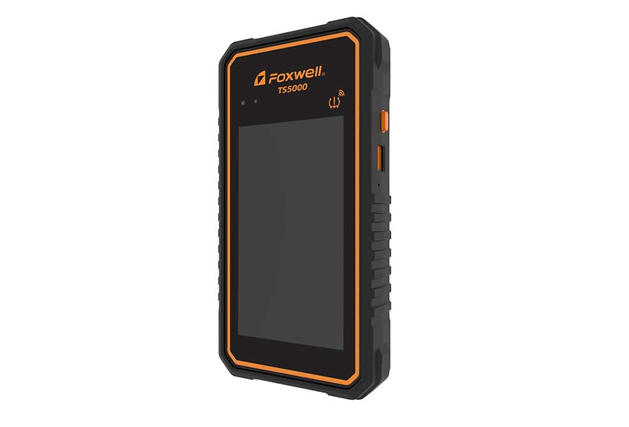
Tire pressure plays a critical role in how the Kia Sedona performs in everyday driving. Proper inflation directly affects braking distance, steering precision, fuel efficiency, ride comfort, and overall tire durability.
When tire pressure is too low, the tire sidewalls flex excessively, generating heat and increasing rolling resistance. This leads to faster edge wear, reduced fuel efficiency, and less stable handling.
When tire pressure is too high, the tire becomes overly rigid. The center of the tread carries more load, resulting in uneven wear and reduced grip, especially on wet or uneven road surfaces.
Because the Kia Sedona is designed for family transport and variable passenger loads, maintaining correct tire pressure is essential for consistent driving safety and comfort.
A general reference for similar passenger vehicles is approximately:
· Normal driving: around 32–35 PSI
· Heavier load conditions: up to approximately 36–38 PSI
However, these values should not replace the official specification printed on the vehicle label. Different model years, trims, and tire sizes may require slightly different pressures.
The manufacturer’s recommendation is always the most accurate and should be considered the primary standard for inflation.
The official tire pressure information for the Kia Sedona is typically located in the following places:
· Driver-side door jamb sticker
· Owner’s manual
· Fuel filler door label (on some models)
This label provides:
· Front tire recommended pressure
· Rear tire recommended pressure
· Full load conditions
· Spare tire specifications (if applicable)
Following this information ensures that the vehicle operates under its intended design parameters.
Tire pressure should always be measured when tires are cold. A “cold tire” means the vehicle has been parked for several hours or has only been driven a short distance. Driving heats the air inside the tire, which temporarily increases pressure readings and can lead to incorrect adjustments.
A proper maintenance routine includes checking tire pressure every 10–15 days and before long-distance travel. This helps detect slow leaks early and ensures consistent performance.
Accurate measurement also requires a reliable tire pressure gauge rather than relying solely on visual inspection or dashboard alerts.
The Kia Sedona is equipped with a direct Tire Pressure Monitoring System (TPMS). Each wheel contains a sensor that measures real-time air pressure and transmits the data wirelessly to the vehicle’s control system.
Depending on the model and trim level, the TPMS system may:
· Trigger a warning when pressure drops below a safety threshold
· Display individual tire pressure readings on the dashboard (higher-spec models)
Although TPMS provides useful real-time alerts, it should not replace manual pressure checks. Sensor readings may differ slightly from external gauges due to calibration and system tolerances.
Whenever tires are rotated, replaced, or significantly adjusted, the TPMS system may require a relearn or recalibration process. This ensures that the vehicle correctly identifies each sensor’s position.
Before initiating any relearn procedure, all tires must be set to the correct placard pressure. This step is essential because TPMS systems use these values as a baseline reference.
Sedona models may also use different TPMS sensor frequencies depending on production year, commonly 315 MHz or 433 MHz. Using the correct sensor type is necessary for proper system communication.
While the manufacturer’s recommended pressure is the standard for normal driving, minor adjustments may be used in specific environments:
· Soft terrain (such as sand): slightly lower pressure may improve traction by increasing tire contact area
· Highway driving: slightly higher pressure may improve fuel efficiency, but may reduce ride comfort
· Wet conditions: factory-recommended pressure provides the safest balance of grip and stability
These adjustments should only be temporary and always return to the official specification for everyday driving.
The correct tire pressure for a Kia Sedona is defined by the vehicle’s manufacturer specification, not a single universal PSI number. Maintaining the recommended pressure ensures optimal braking performance, improved fuel efficiency, longer tire life, and more stable handling.
Regular pressure checks, cold-tire measurements, and proper TPMS system maintenance help ensure that the vehicle performs safely and consistently under all driving conditions.

Copyright © Shenzhen Foxwell Technology Co., Ltd. All Rights Reserved 2009-2021 |
Sitemap
Powered by 


Links: Reanod